CMI Rio 2026 Day I
Opening of the Event
Day I of the CMI Rio 2026 Colloquium officially commenced with a landmark Opening Ceremony, gathering more than 400 participants and reaffirming the significance of this global maritime law forum.
For the first time since 1977, the CMI annual event returned to Rio de Janeiro 🇧🇷 — creating a unique platform for high-level discussions on current status and the future of maritime law.
𝗗𝗶𝘀𝘁𝗶𝗻𝗴𝘂𝗶𝘀𝗵𝗲𝗱 𝗢𝗽𝗲𝗻𝗶𝗻𝗴 𝗔𝗱𝗱𝗿𝗲𝘀𝘀𝗲𝘀
• Ann Fenech — President of CMI
• Luis Felipe Galante — President of the Brazilian Maritime Law Association
• Arsenio Dominguez — IMO Secretary-General
• Pedro Guerra — Cabinet Chief of the Vice Presidency of Brazil
• Sílvio Luís dos Santos — Fleet Admiral, Brazilian Navy
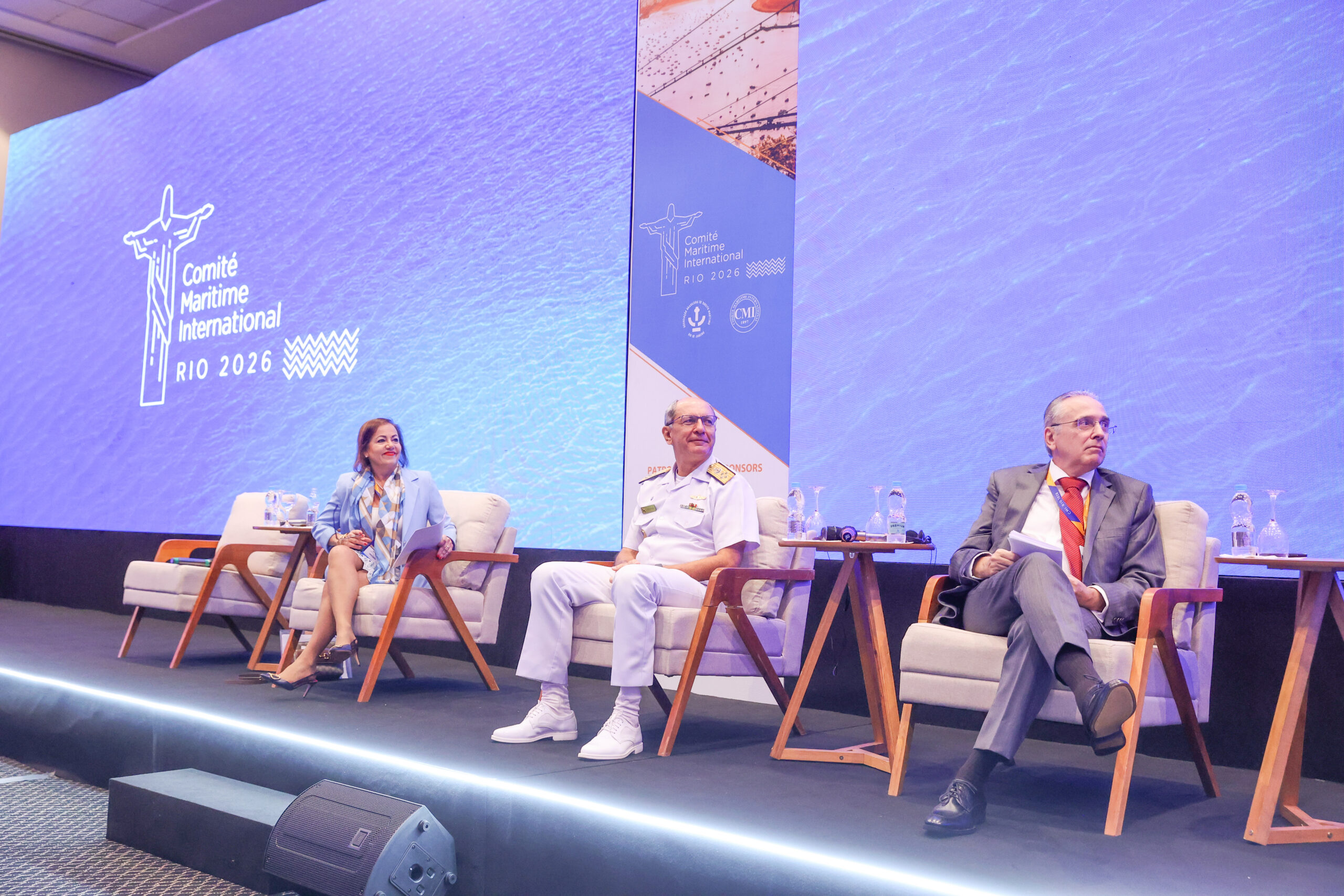
The remarkable speakers, combined with the inspiring atmosphere of magnificent Rio de Janeiro, made this opening ceremony a truly memorable beginning to the Colloquium.
Bringing together maritime professionals, legal experts, institutions, and international organisations from around the world, CMI Rio 2026 continues to highlight the importance of global dialogue and cooperation in shaping the future of maritime law.
Part 2 | Berlingieri Lecture
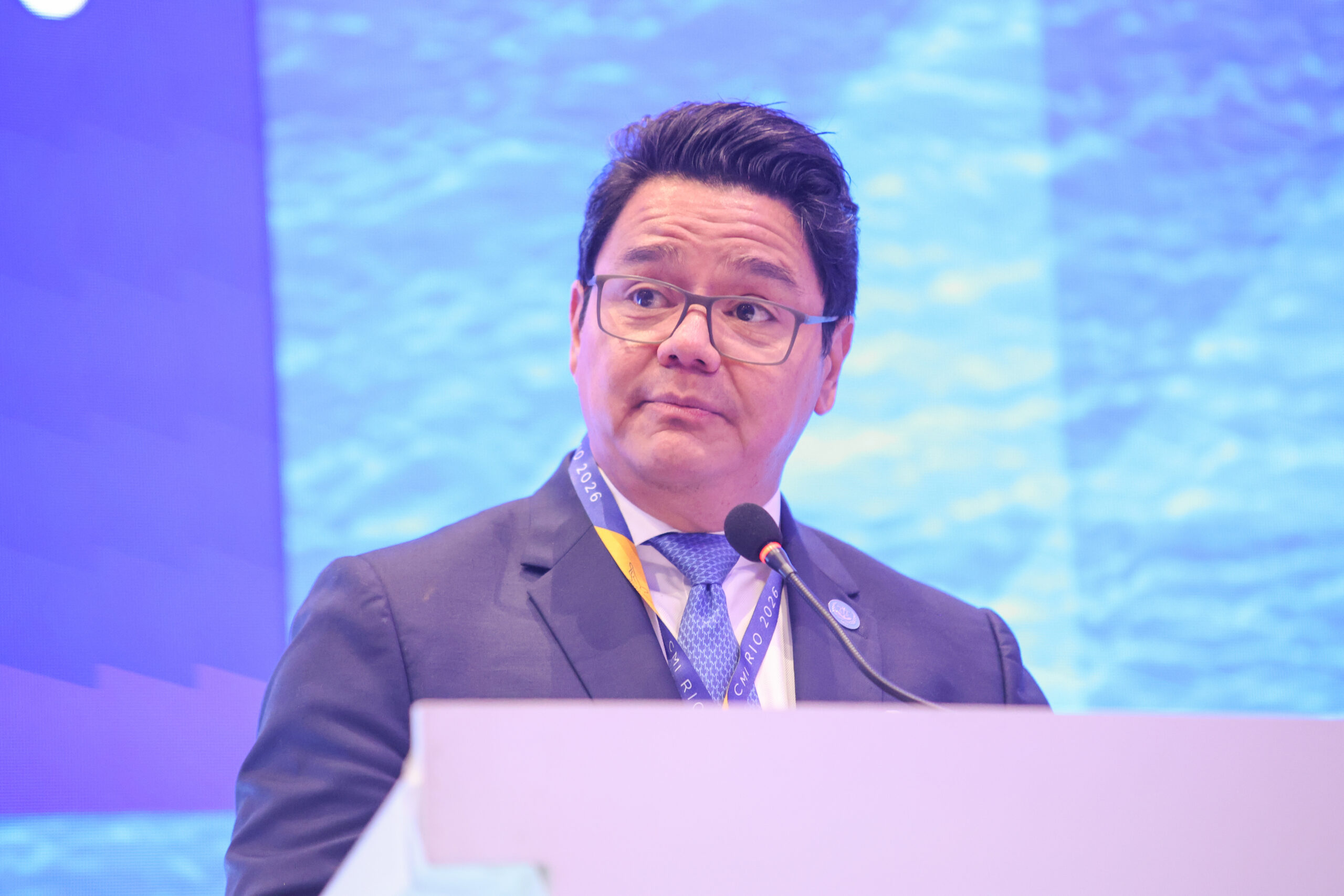
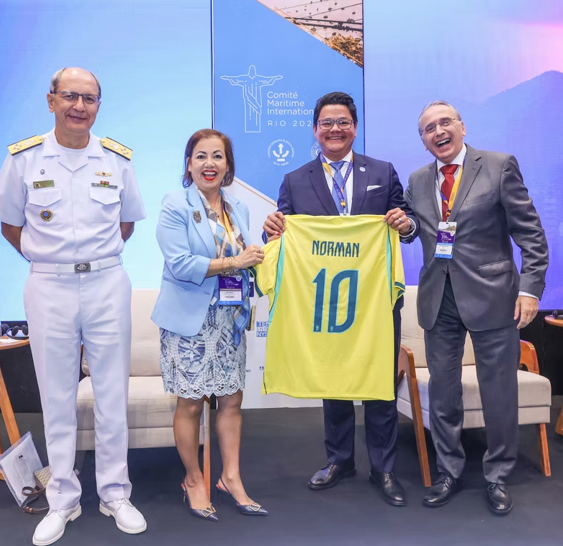
As tradition calls for, Day II of the CMI Rio 2026 Colloquium continued with the distinguished Berlingieri Lecture, delivered this year by professor Norman Martinez, Director of the IMO International Maritime Law Institute (IMO-IMLI) Malta.
The lecture marked the 50th Anniversary of the 1967 Limitation of Liability Convention — a historically significant framework whose principles laid important foundations for the development of modern limitation of liability regimes.
Delivered with exceptional expertise and academic depth, the lecture reflected the continuing importance of harmonised maritime legal frameworks in an increasingly complex global maritime environment.
Part 3 | Plenary Session Latin America
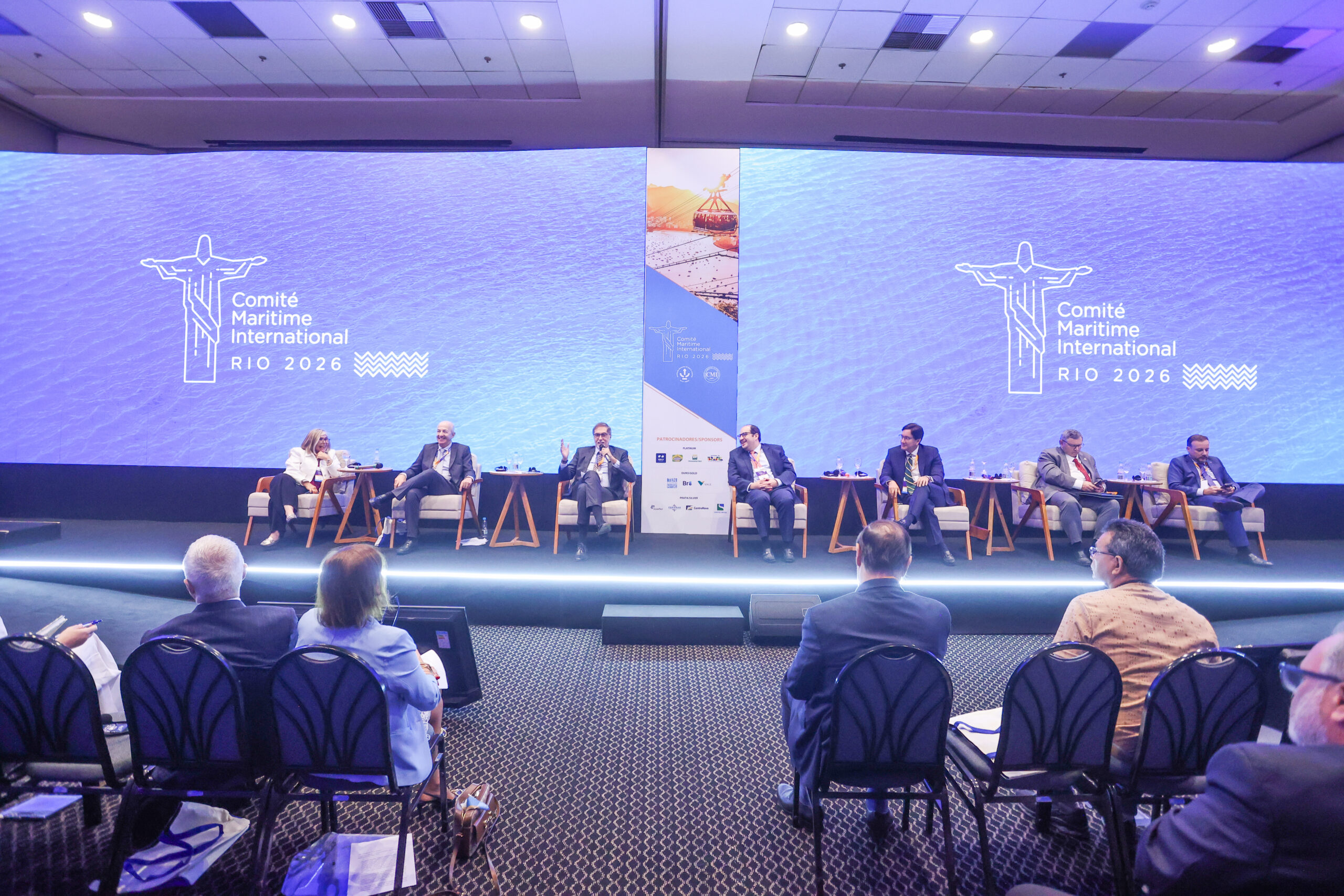
Moderated by Bernardo Mendes Vianna, this session brought together representatives from across Latin America to discuss recent developments, regional cooperation, and the growing role of the region in shaping international maritime law.
Session highlights included:
Progress within the Brazilian Parliament regarding the ratification of key international conventions — presented by Marcelo Sammarco.
The importance of international conventions for Brazil’s maritime trade and shipping sector — addressed by Jones Soares of Transpetro.
Ecuador’s incorporation of the Hamburg Rules into its legal framework — presented by Javier Cardoso.
Panama’s ratification of the Judicial Sales Convention — discussed by Joaquín De Obarrio.
Developments surrounding the River Transport Agreement for the Paraguay–Paraná Waterway from Argentine perspective — presented by Diego Chami.
Colombia’s achievements and future roadmap in international maritime law — shared by Elizabeth Salas.
The session highlighted Latin America’s increasing leadership in treaty ratification, regional navigation agreements, and international maritime cooperation.
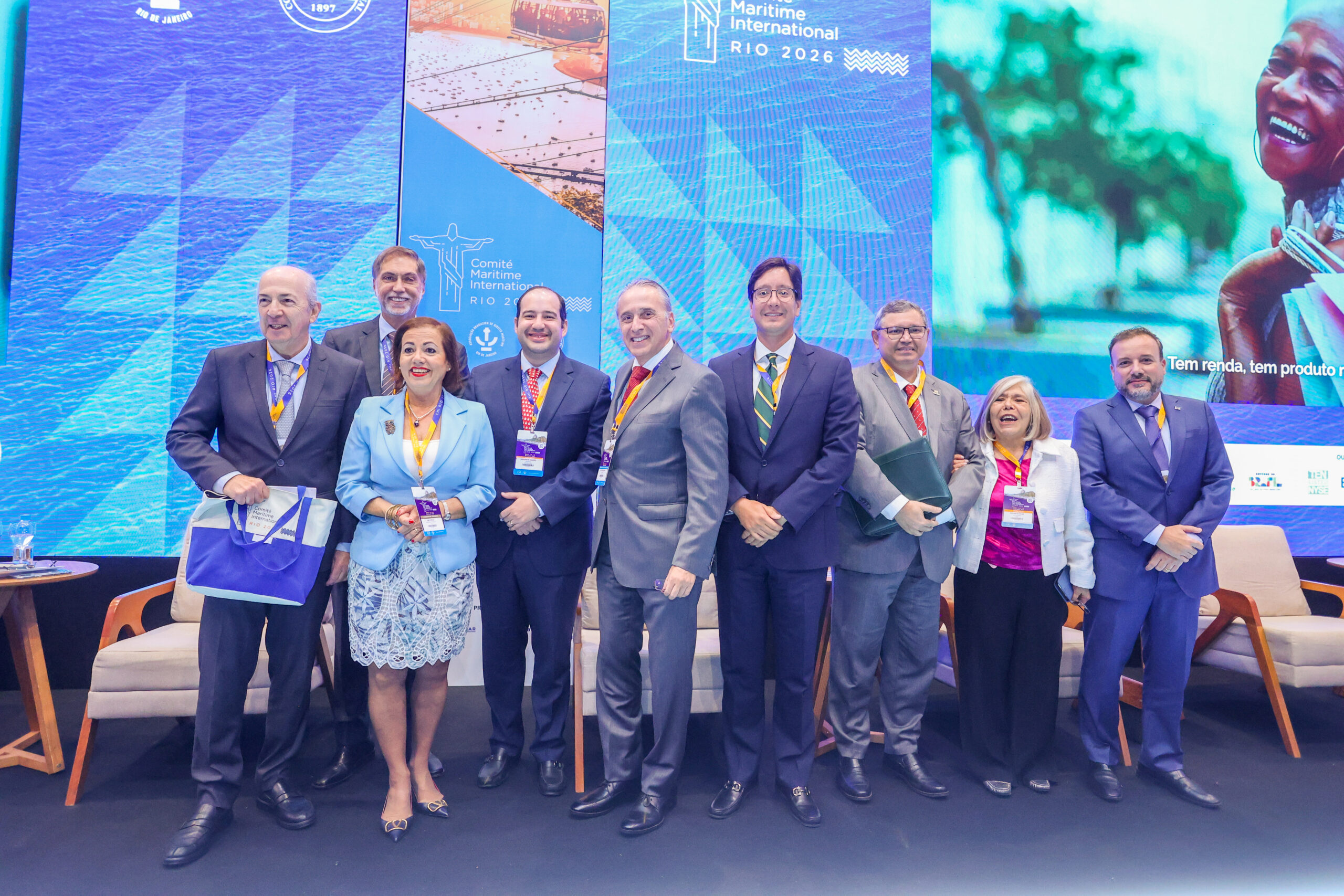
Part 4 | Decarbonization Update
Held at the Louvre Room I and moderated by Haris Zografakis, this parallel session brought together maritime law experts to discuss maritime decarbonization and the evolving international regulatory framework surrounding alternative fuels and green shipping initiatives.
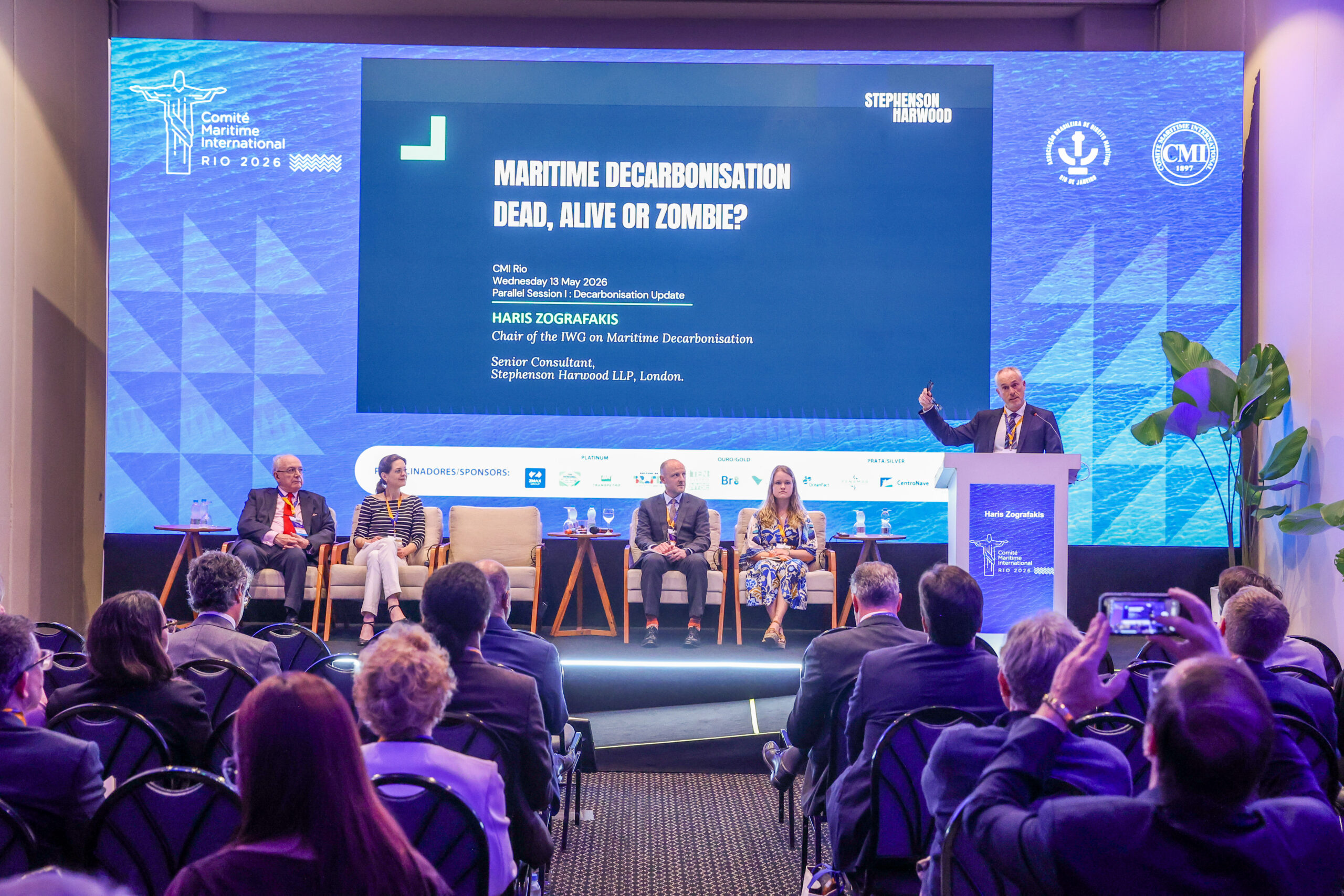
Session highlights included:
An overview of the current status of maritime decarbonization efforts and the ongoing work of the International Working Group — presented by Haris Zografakis.
The IMO trajectory towards an international liability and compensation regime for alternative fuels and green fuels — addressed by Jolien Kruit.
The interaction between biofuels and existing international liability conventions — presented by Neil Henderson.
Legal gaps and comparative lessons regarding liability and compensation regimes for alternative fuels in shipping — discussed by Hannah Mosmans.
The development and adaptation of shipping contracts in support of greener maritime operations — presented by Charles Debattista.
The session provided insight into legal, contractual, and regulatory challenges accompanying the maritime sector’s transition toward sustainability.
Part 5 | United Nations Convention on Negotiable Cargo Documents
Moderated by Alexander von Ziegler and held at the Louvre Room I, this session examined the legal and commercial implications of the United Nations Convention on Negotiable Cargo Documents (NCD Convention), with focus on its interaction with existing maritime transport regimes and electronic documentation practices.
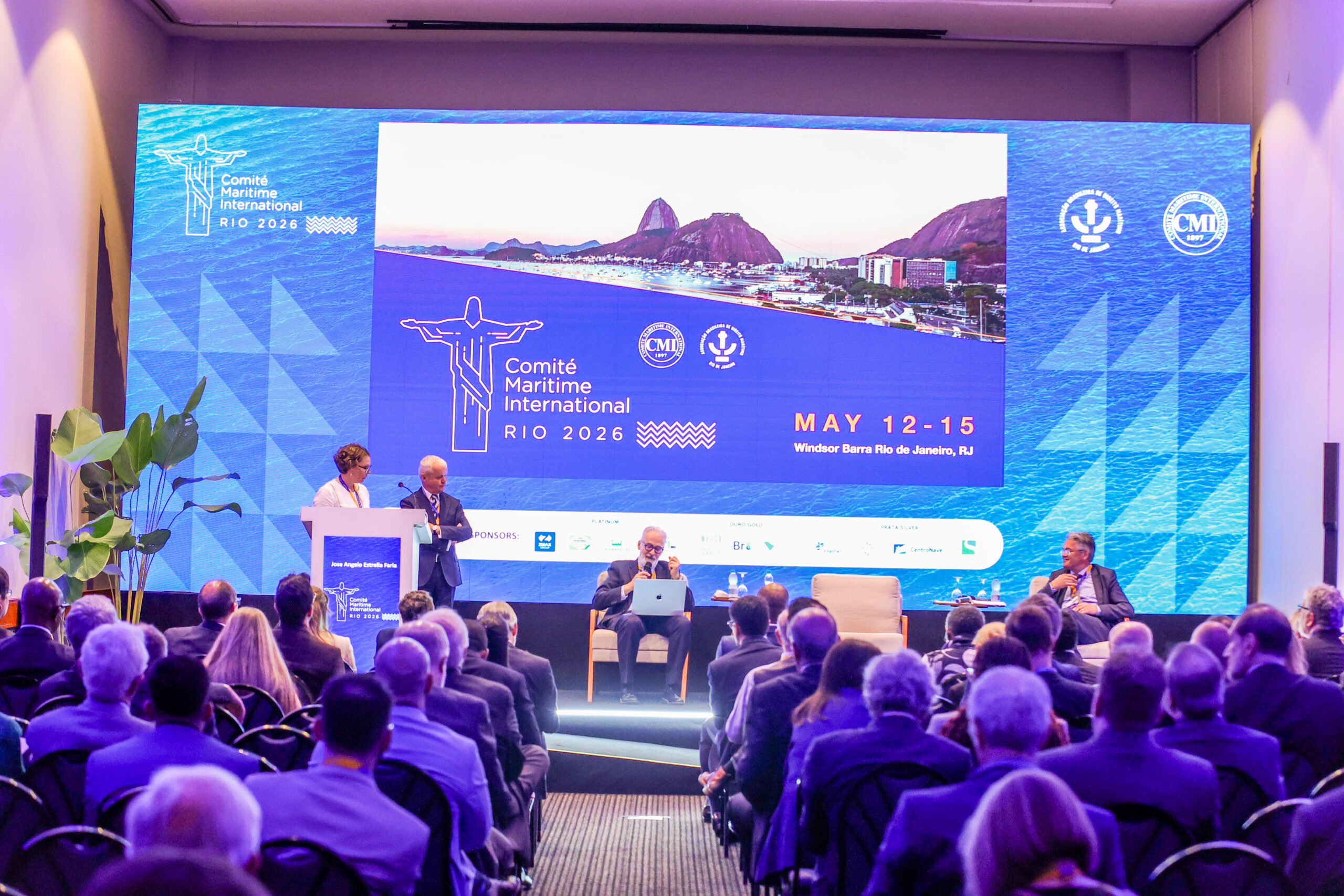
Session highlights included:
An overview of the background, objectives, and implications of the NCD Convention — presented by Jose Angelo Estrella Faria.
The relationship between negotiable cargo documents and traditional Bills of Lading practices — discussed by Paula Bäckdén.
The interaction between the Hague-Visby Rules and the NCD Convention — presented by Frank Smeele.
The potential overlap between the NCD Convention and the Rotterdam Rules — addressed by Juan Pablo Rodríguez Delgado.
The treatment of electronic negotiable documents under both frameworks — presented by Manuel Alba Fernandez.
A broader analysis of the practical application of the NCD Convention — discussed by Lia Amaxilati.
The session offered a forward-looking discussion on modernization of negotiable cargo documentation.
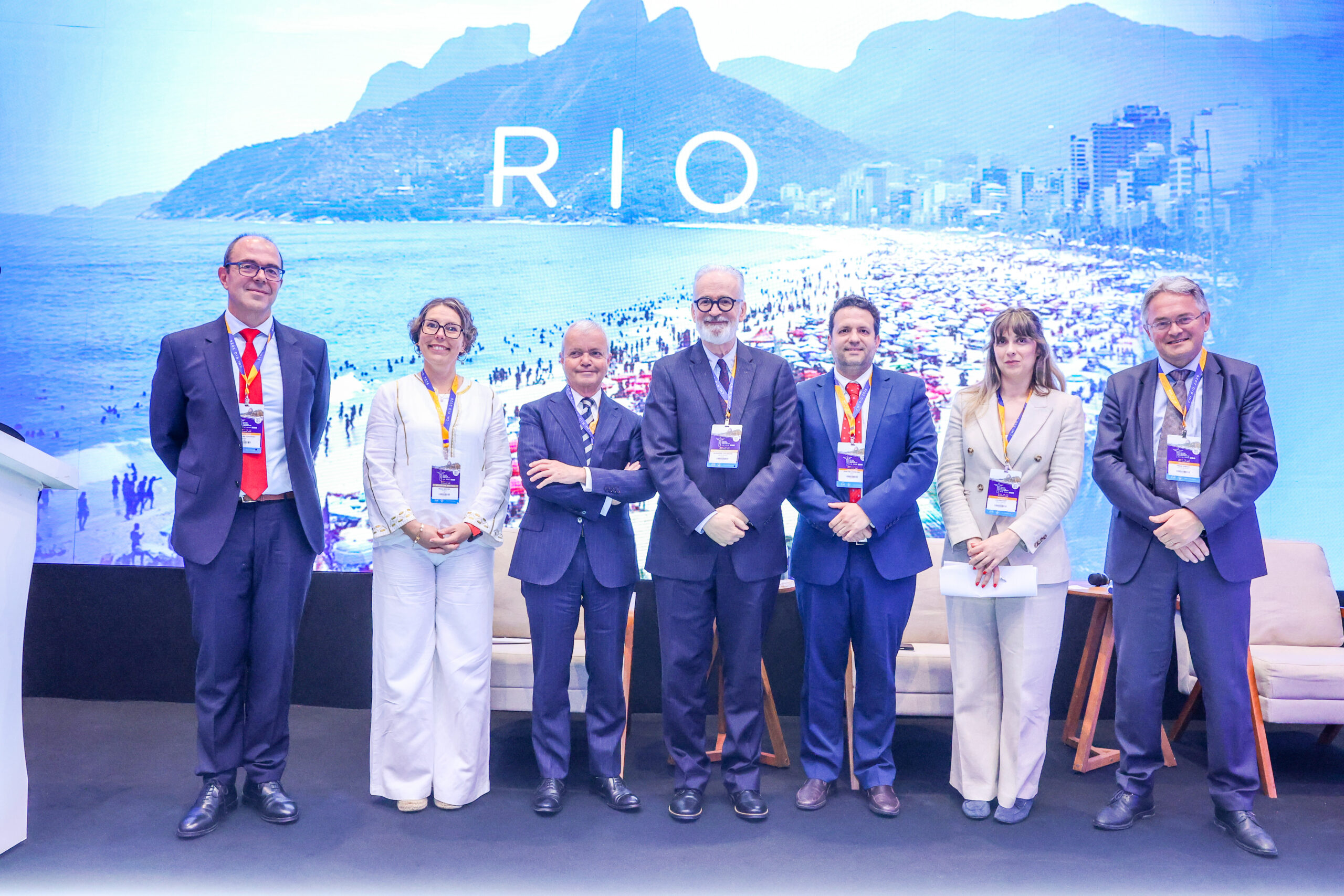
Part 6 | Decarbonization Affecting Ports and Terminals
Moderated by Mauro Sammarco and held at the Louvre Room I, this session focused on the impact of decarbonization policies on ports, terminals, and maritime infrastructure.
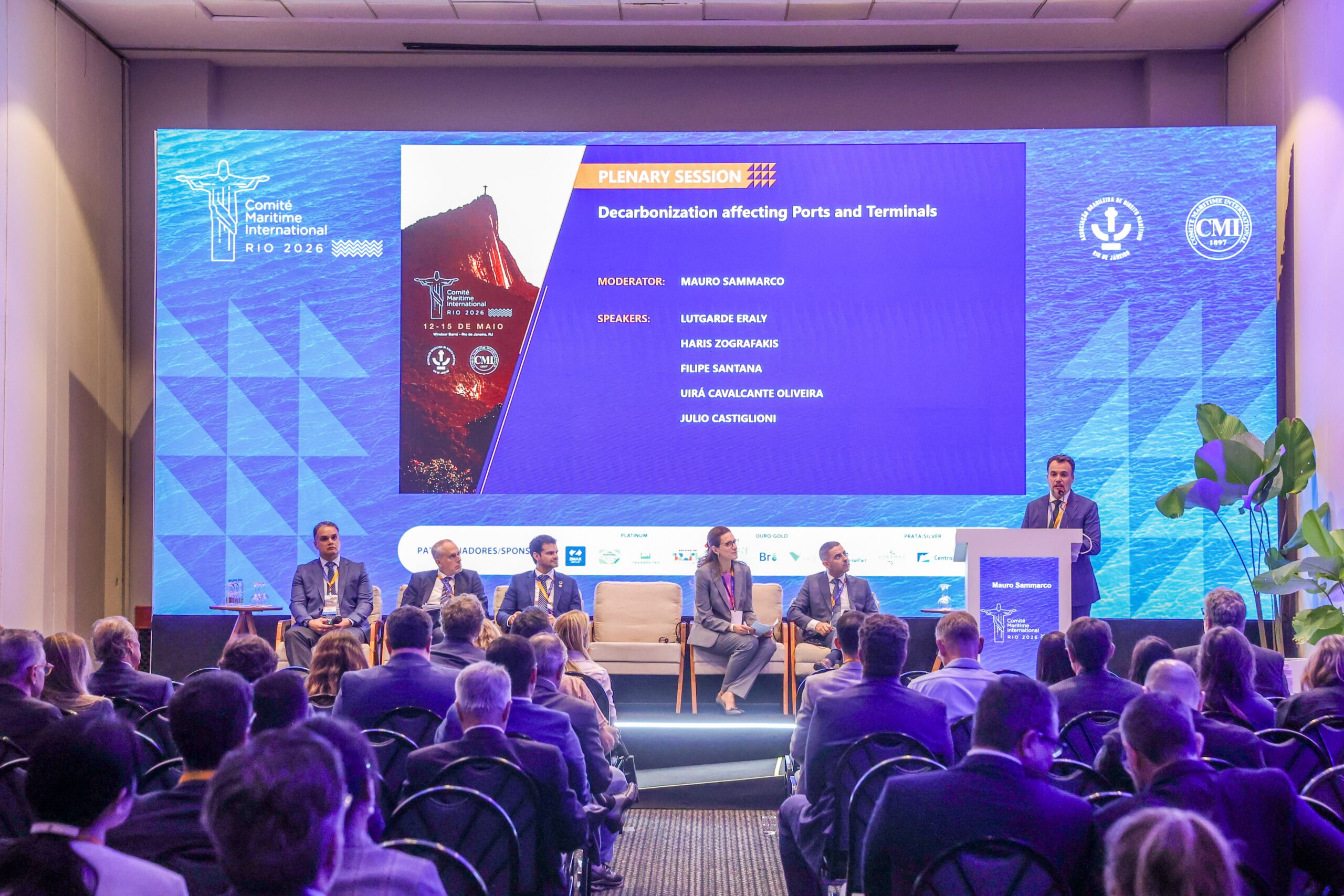
Session highlights included:
The evolving role of marine terminals in shipping decarbonization — presented by Filipe Santana.
Legal aspects and policy implications of Green Corridors in shipping — discussed by Haris Zografakis.
Developments and challenges in decarbonization of ports in Europe and China — presented by Lutgarde Eraly.
The role of the public sector in promoting port decarbonization — addressed by Julio Castiglioni.
The approach of the Brazilian Waterway Transport Regulatory Agency (ANTAQ) to the maritime energy transition — presented by Uirá Cavalcante Oliveira.
The session highlighted coordinated regulatory action and public-private cooperation for sustainable maritime infrastructure.
Part 7 | Fraudulent Registries and Fraudulent Registration
Held at the Louvre Room II and moderated by Frank Nolan, this session addressed fraudulent ship registries and vessel registration practices.
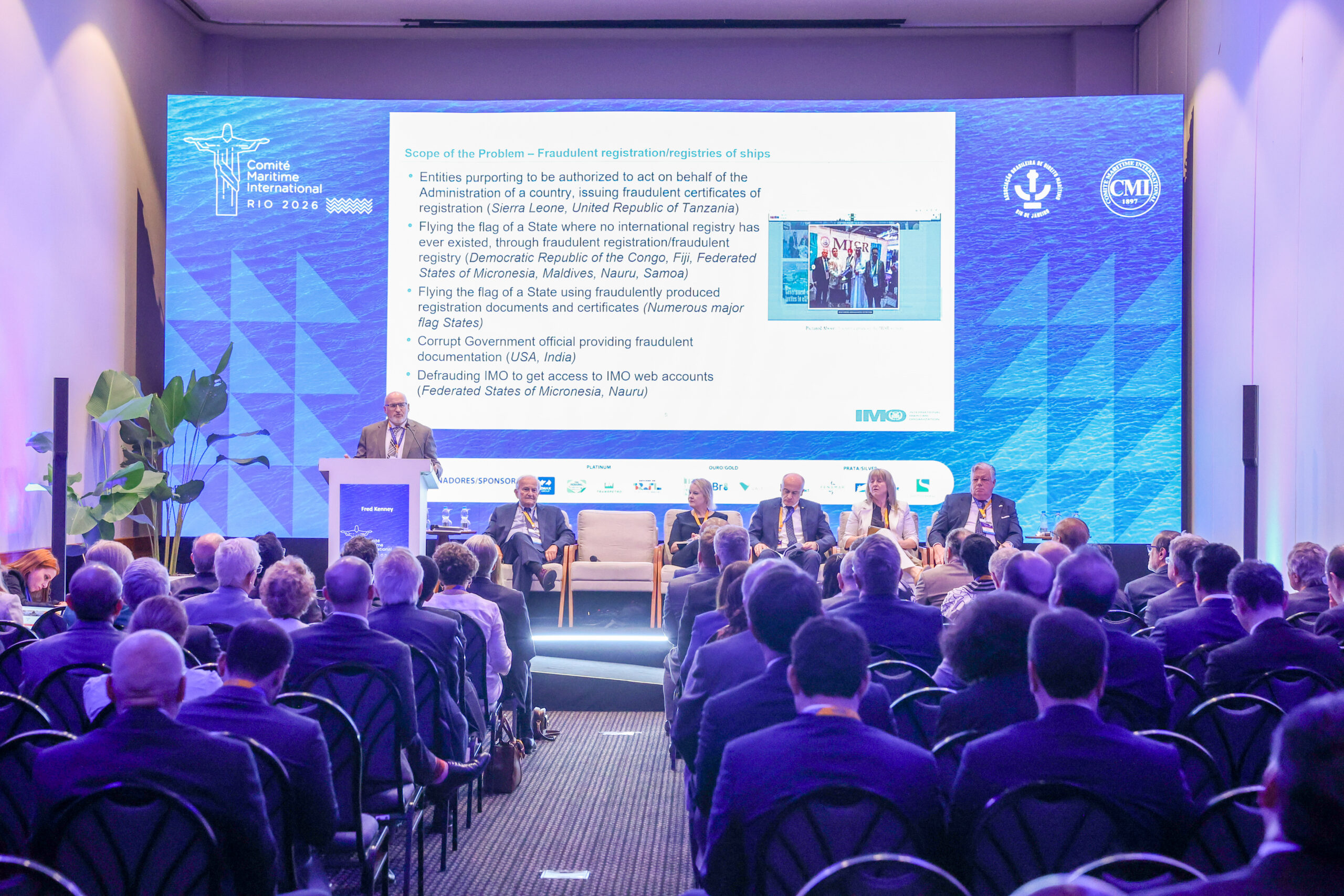
Session highlights included:
An overview of the global landscape of fraudulent registries — presented by Michelle Wiese Bockmann.
IMO reactions and initiatives regarding fraudulent registries — addressed by Fred Kenney.
The legal framework applicable to fraudulent registration activities — discussed by George Theocharidis.
Perspectives of official ship registries — presented by Meredith Kirby.
Classification societies and operational risks — shared by Bob Clyne.
The session emphasized maritime compliance, regulatory integrity, and the importance of strengthening oversight mechanisms.