CMI Rio 2026 Day IV
Day IV of the CMI Rio 2026 Colloquium
Part 1 | Energising the MORU Sector: Maritime Finance and a MORU Finance Convention

Held at the Louvre Room I, this parallel session explored the evolving legal and financial landscape surrounding the Mobile Offshore Renewable Units (MORU) sector, with particular attention to maritime finance, offshore renewable energy projects, and the potential development of a dedicated MORU finance convention.
- Roberta Cox of Global Wind Energy Council (GWEC) gave an overview of GWEC’s activities and the future of floating wind
- Claudia Botero Götz of Gard AS provided insight into the world of marine insurance and how it impacts MORUs
- Cameron Mitchell of the Isle of Man Ship Registry talked about registration, flagging, and mortgaging MORUs from the flag state perspective
- Francis Nolan, III wrapped the discussion up with questions for the panel and a call to action.
The session provided valuable insight into the intersection of maritime law, energy transition, and project finance, highlighting the increasing importance of international cooperation and legal innovation in supporting the future of offshore renewable energy.
We will continue sharing updates and key highlights as this important international event unfolds.
Part 2 | Academics Session
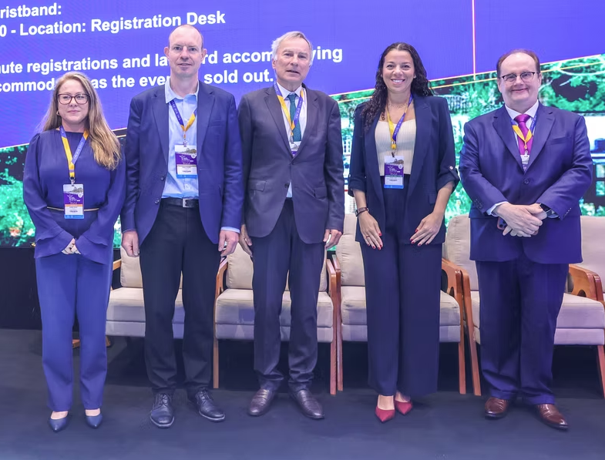
Held at the Louvre Room II, this parallel session brought together academic and legal perspectives on emerging challenges and developments in international maritime law, focusing on innovation, liability regimes, transnational legal principles, and comparative judicial analysis.
Session highlights included:
- Regulatory and liability considerations surrounding Maritime Autonomous Surface Ships (MASS) and the evolving legal framework applicable to autonomous navigation.
- The legal and operational challenges associated with hydrogen in shipping, particularly the balance between technological innovation and existing liability regimes.
- Discussions on transnational estoppel and its relevance within cross-border maritime disputes and international legal practice.
- The importance of judicial databases and international convention case law in promoting harmonization, legal certainty, and comparative maritime jurisprudence.
The session provided valuable academic insight into the future of maritime law, highlighting the increasing interaction between technological advancement, international regulation, and global legal cooperation.
We will continue sharing updates and key highlights as this important international event unfolds.
Part 3 | Revision of the 1910 Collision Convention
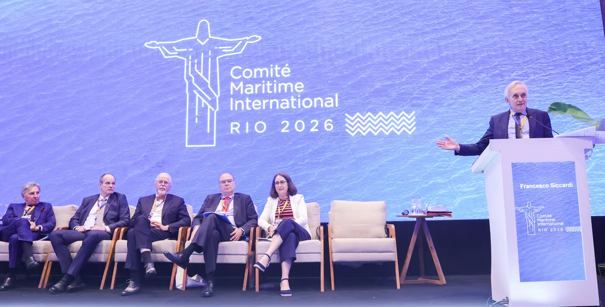
Held at the Louvre Room I, this parallel session explored the ongoing discussions surrounding the possible revision of the 1910 Collision Convention, addressing contemporary jurisdictional challenges, liability allocation, and the evolving legal framework governing maritime collisions.
Session highlights included:
- The legal complexities associated with navigation and competing rights within the Exclusive Economic Zone (EEZ).
- Scope of application and applicable law considerations in the development of a modern international collision regime.
- Jurisdictional challenges and the relationship between substantive and procedural rules under a potential new collision convention.
- Vessel liability and the allocation of responsibility within future international collision frameworks.
- Discussions regarding collision damages, including whether the scope of recoverable damages should be expanded in light of evolving maritime practices and the Lisbon Rules.
The session provided an important platform for examining the modernization of international collision law and the continued need for harmonized legal solutions capable of addressing contemporary maritime operations and disputes.
We will continue sharing updates and key highlights as this important international event unfolds.
Part 4 | The Weaponisation of Sea Routes: Is Shipping in the Firing Line?
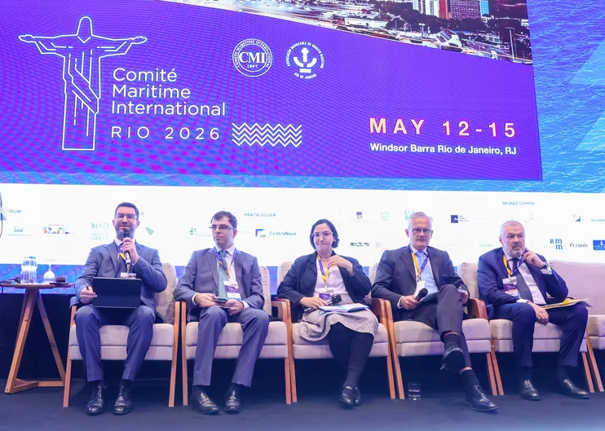
Held at the Louvre Room II, this parallel session examined the growing geopolitical and security challenges affecting international shipping routes, focusing on the increasing risks posed to global maritime trade by regional conflicts, strategic tensions, and the weaponisation of key sea corridors.
Session highlights included:
- The impact of geopolitical instability and armed conflict on international shipping operations and maritime security.
- Legal and commercial implications arising from disruptions to strategic maritime routes and global supply chains.
- Emerging risks faced by shipowners, operators, insurers, and maritime stakeholders navigating high-risk areas.
- The role of international maritime law, regulatory frameworks, and industry cooperation in addressing evolving security threats affecting freedom of navigation and international trade.
The session provided valuable insight into one of the most pressing contemporary issues affecting the maritime sector, highlighting the intersection between shipping, global security, international law, and risk management.
We will continue sharing updates and key highlights as this important international event unfolds.